NEW CLIENT OFFER ONLY $35 Wellness Exam $50 Urgent Care Exam $55 Exotic Exam Heartworm Medicine Simparica Trio Buy 6 Get 1 Free Through April 30th

Close
×

Would you like to switch to the accessible version of this site?

Go to accessible site Close modal window

Don't need the accessible version of this site?

Hide the accessibility button Close modal window
Accessibility View Close toolbar
Normandy Animal Hospital

7626 Florissant Road

St. Louis, MO 63121 US

(314) 383-4677

Open mobile navigation
  • Home
  • New Patient Center
    • Online Forms
    • What to Expect
    • Veterinary Resources
    • Payment Options
  • About Us
    • Meet the Veterinarians
    • Dr. Jordan Rice DVM
    • Dr. Bryce M Goman
    • Meet Our Staff
      • Tricia Braucksick
      • Kayla Pullar
    • News
  • Services
    • Canine Vaccines
    • Feline Vaccines
    • Additional Services
  • Deals
  • Emergency
    • Allergic Reaction
    • Broken Bones
    • Burns
    • Choking
    • Drowning
    • Electric Shock
    • Frostbite and Cold Exposure
    • Heatstroke
    • Hit by Car
    • Lacerations, Cuts and Bleeding
    • Poisoning
    • Seizures
    • Ready in 3 Family Safety Guide
  • FAQ
  • Contact Us
  • Pet Memorials
  • Articles
  • Petsimonials
  • Spaying Your Pet
  • Heartworms and Prevention
  • Blog
  • Veterinary Topics
    • Pet Health
      • Chronic Conditions
      • Digestive and Oral Health
      • Diseases and Viruses
      • Pests and Parasites
      • Orthopedics
    • Today's Veterinarian
    • Choosing Your Pet
      • Finding Your Pet
      • Cats
      • Dogs
      • Exotics
        • Amphibians
        • Birds
        • Reptiles
          • Lizards
          • Turtles
      • Small Mammals
        • Ferrets
        • Rabbits
        • Domesticated Animals
          • Prairie Dogs
        • Pocket Pets
          • Chinchillas
          • Guinea Pigs
          • Hamsters
          • Hedgehogs
          • Rats
      • Livestock
        • Cows
        • Donkeys, Horses & Mules
        • Goats
        • Pigs
        • Poultry
        • Sheep
    • Living With Your Pet
      • Bringing Your Pet Home
      • Children and Pets
      • Providing Care
      • Travel
      • Saying Goodbye
    • Newsletter Library
      • Cats
      • Tips for Pet Owners
      • Behavior & Training
      • Fleas & Parasites
      • Keeping Pets Healthy
      • Recognizing Illness
      • Nutrition & Food
      • Pet Dangers
      • Seasonal Topics
      • Visiting the Vet
      • Equine
      • Newsletter Archive
        • Fun with Pets
        • Unbelievable Pets
    • Video Newsroom
      • Health Topics
      • Technology and Science
      • Other Interests
    • Newsletter Library
    • Client Survey
    • Pets4Kids
  • Home >
  • Articles >
  • Newsletter Library >
  • Recognizing Illness >
  • H1N1 or Swine Flu Virus

H1N1 or Swine Flu Virus

  • Created in Newsletter Library, Recognizing Illness
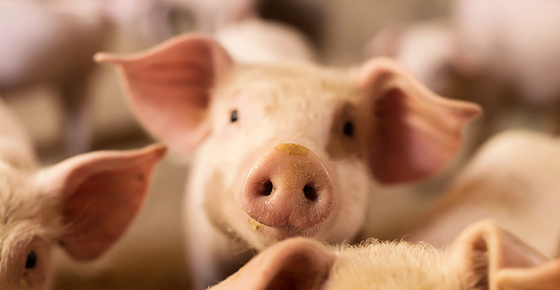
Image of swine.

The H1N1 or swine flu epidemic has many people concerned. It certainly holds the potential for severe, worldwide disease in humans. Currently, most cases in the U.S. have not been as serious as in other countries. Flu viruses commonly mutate though, and even a small mutation could increase the pathogenicity to critical levels for both animals and people.
Swine influenza virus has been found worldwide in birds, including chickens and waterfowl, humans, and pigs. It does not cause disease in dogs and cats. People that own pet pigs, including pot-bellied pigs should be concerned. As of May 2009, there have been no reports of disease in pigs in the U.S. as a result of the current outbreak, but there is one report of a person who vacationed in Mexico, returned home to their swine farm in Canada, where their pigs developed flu symptoms.

Swine influenza is a highly contagious disease spread by direct contact, airborne respiratory secretions, contaminated objects, or people moving between swine herds. Bringing home a new pig is a common cause of disease outbreak, which usually happens in one to three days. Infected pigs may shed virus for seven to ten days. A carrier state may exist for up to three months. Recovery from disease can cause a limited amount of immunity.

The influenza virus in pigs causes high levels of illness but low death rates. Symptoms include coughing, nasal discharge, labored breathing, eye discharge, fever, poor appetite, weight loss, lethargy, and abortion. Most affected pigs recover without complications in five to seven days. Some pigs may develop secondary bacterial pneumonia which increases the mortality rate.

The treatment is supportive: medications to reduce the fever, and keeping them clean and warm. Pigs with more severe disease may need IV fluids and antibiotics.There are several commercial vaccines available for influenza in swine, but none of the current vaccines are effective for this type of influenza. The virus is easily killed by disinfectants.

The best method to try to prevent influenza in your pet pig is to use management practices to decrease the chance the pig will be exposed: limiting visitors, quarantining new pigs, and disinfecting things that could be contaminated.

In summary, there are several different types of influenza viruses. Human influenza, avian flu and swine flu viruses are all closely related; each has the potential to infect one of the other species, sometimes with devastating results. This H1N1 virus from swine has mutated to make it easier to infect people. With more time we will see if it becomes more virulent in people and how significant it is in pigs.

  • Pet Health
    • Chronic Conditions
    • Digestive and Oral Health
    • Diseases and Viruses
    • Pests and Parasites
    • Orthopedics
  • Today's Veterinarian
  • Choosing Your Pet
    • Finding Your Pet
    • Cats
    • Dogs
    • Exotics
      • Amphibians
      • Birds
      • Reptiles
        • Lizards
        • Turtles
    • Small Mammals
      • Ferrets
      • Rabbits
      • Domesticated Animals
        • Prairie Dogs
      • Pocket Pets
        • Chinchillas
        • Guinea Pigs
        • Hamsters
        • Hedgehogs
        • Rats
    • Livestock
      • Cows
      • Donkeys, Horses & Mules
      • Goats
      • Pigs
      • Poultry
      • Sheep
  • Living With Your Pet
    • Bringing Your Pet Home
    • Children and Pets
    • Providing Care
    • Travel
    • Saying Goodbye
  • Newsletter Library
    • Cats
    • Tips for Pet Owners
    • Behavior & Training
    • Fleas & Parasites
    • Keeping Pets Healthy
    • Recognizing Illness
    • Nutrition & Food
    • Pet Dangers
    • Seasonal Topics
    • Visiting the Vet
    • Equine
    • Newsletter Archive
      • Fun with Pets
      • Unbelievable Pets
  • Video Newsroom
    • Health Topics
    • Technology and Science
    • Other Interests
  • Newsletter Library
  • Client Survey
  • Pets4Kids

Yes. Cats do get heartworms. Mention WEBDEAL 2. One offer per household. This is a limited time offer so call today for details and an appointment.

Error!

    Our Services

    • Services

      We strive to provide complete care for our patients. Learn more about all the services we provide.
    • Make An Appointment

      We will do our best to accommodate your busy schedule. Schedule an appointment today!
    • Online Forms

      Our patient forms are available online so they can be completed in the convenience of your own home or office.

    Office Hours

    Monday:

    9:30am

    6:00pm

    Tuesday:

    9:30am

    6:00pm

    Wednesday:

    9:30am

    6:00pm

    Thursday:

    Closed

    Friday:

    9:30am

    5:00pm

    Saturday:

    9:30am

    2:00pm

    Sunday:

    Closed

    Closed

    Location

    Find us on the map

    Testimonials

    Read What Our Clients Say

    • "Wow! Thanks to all the staff at Anderson Vet Clinic. I feel like you all truly love what you do! My kitty, Lola and I always have such a pleasant experience when we come in. Fortunately, it’s usually just for a check-up, but I would not leave Lola in anyone else’s hands but yours. Thank you for your caring commitment!"
      Maya Smith / Los Angeles, CA
    • "I have benefited tremendously from the care my pet received from Dr. Anderson."
      John Doe / San Diego, CA
    • "Fabio wasn’t eating the food I was giving him and I didn’t feel he was getting the nutrition he needed. Thanks to Dr. Anderson, he evaluated Fabio and his current diet to make some recommendations and now Fabio has gone from barely eating to finishing his meals and he looks healthier than ever. You clearly are an expert in your field...thanks so much!"
      Tara Brown / Kansas City, MO

    Featured Articles

    Read about interesting topics

    • March Newsletter: How to Keep Your Cat Safe When Outdoors

      Wondering how your cat can safely spend time outdoors? ...

      Read More
    • March Newsletter: How to Choose Safe Blankets for Pets

      Do you know how to pick a safe blanket for your pet? ...

      Read More
    • February Newsletter: How to Reduce Dental Anxiety in Pets

      Does your pet hate toothbrushing? These tips could reduce dental anxiety. ...

      Read More
    • February Newsletter: How to Safely Change Your Cat’s Food

      Buying a new food for your cat? Find out how to switch foods safely. ...

      Read More
    • January Newsletter: Signs Your Pet Needs a Wellness Exam

      Does your pet need a wellness exam? ...

      Read More
    • January Newsletter: How Your Veterinarian Can Help If Your Pet Ingests Something Toxic

      Has your pet eaten something it shouldn't have? Find out how your vet can help. ...

      Read More
    • December Newsletter: Signs Your Pet Needs a Professional Cleaning

      Do you know when your pet needs a professional cleaning? ...

      Read More
    • December Newsletter: Simple Ways to Keep Your Home Flea-Free for Your Pet’s Well-being

      Never want to see another flea again? Try these tips for a flea-free home. ...

      Read More
    • November Newsletter: The Importance of Bloodwork for Your Pet’s Health

      Wondering if your pet really needs bloodwork? Find out the benefits of blood tests for your furry friend. ...

      Read More
    • November Newsletter: Turkey Day Tips for Pet Owners

      Don't forget about your pet when making Turkey Day preparations. ...

      Read More

    Newsletter Sign Up

    Error!

      Connect With Us

      • Copyright © 2026 MH Sub I, LLC dba iMatrix.
      • Admin Log In
      • Site Map