NEW CLIENT OFFER ONLY $35 Wellness Exam $50 Urgent Care Exam $55 Exotic Exam Heartworm Medicine Simparica Trio Buy 6 Get 1 Free Through April 30th

Close
×

Would you like to switch to the accessible version of this site?

Go to accessible site Close modal window

Don't need the accessible version of this site?

Hide the accessibility button Close modal window
Accessibility View Close toolbar
Normandy Animal Hospital

7626 Florissant Road

St. Louis, MO 63121 US

(314) 383-4677

Open mobile navigation
  • Home
  • New Patient Center
    • Online Forms
    • What to Expect
    • Veterinary Resources
    • Payment Options
  • About Us
    • Meet the Veterinarians
    • Dr. Jordan Rice DVM
    • Dr. Bryce M Goman
    • Meet Our Staff
      • Tricia Braucksick
      • Kayla Pullar
    • News
  • Services
    • Canine Vaccines
    • Feline Vaccines
    • Additional Services
  • Deals
  • Emergency
    • Allergic Reaction
    • Broken Bones
    • Burns
    • Choking
    • Drowning
    • Electric Shock
    • Frostbite and Cold Exposure
    • Heatstroke
    • Hit by Car
    • Lacerations, Cuts and Bleeding
    • Poisoning
    • Seizures
    • Ready in 3 Family Safety Guide
  • FAQ
  • Contact Us
  • Pet Memorials
  • Articles
  • Petsimonials
  • Spaying Your Pet
  • Heartworms and Prevention
  • Blog
  • Veterinary Topics
    • Pet Health
      • Chronic Conditions
      • Digestive and Oral Health
      • Diseases and Viruses
      • Pests and Parasites
      • Orthopedics
    • Today's Veterinarian
    • Choosing Your Pet
      • Finding Your Pet
      • Cats
      • Dogs
      • Exotics
        • Amphibians
        • Birds
        • Reptiles
          • Lizards
          • Turtles
      • Small Mammals
        • Ferrets
        • Rabbits
        • Domesticated Animals
          • Prairie Dogs
        • Pocket Pets
          • Chinchillas
          • Guinea Pigs
          • Hamsters
          • Hedgehogs
          • Rats
      • Livestock
        • Cows
        • Donkeys, Horses & Mules
        • Goats
        • Pigs
        • Poultry
        • Sheep
    • Living With Your Pet
      • Bringing Your Pet Home
      • Children and Pets
      • Providing Care
      • Travel
      • Saying Goodbye
    • Newsletter Library
      • Cats
      • Tips for Pet Owners
      • Behavior & Training
      • Fleas & Parasites
      • Keeping Pets Healthy
      • Recognizing Illness
      • Nutrition & Food
      • Pet Dangers
      • Seasonal Topics
      • Visiting the Vet
      • Equine
      • Newsletter Archive
        • Fun with Pets
        • Unbelievable Pets
    • Video Newsroom
      • Health Topics
      • Technology and Science
      • Other Interests
    • Newsletter Library
    • Client Survey
    • Pets4Kids
  • Home >
  • Articles >
  • Living With Your Pet >
  • Bringing Your Pet Home >
  • Exams and Vaccinations

Exams and Vaccinations

  • Created in Living With Your Pet, Bringing Your Pet Home
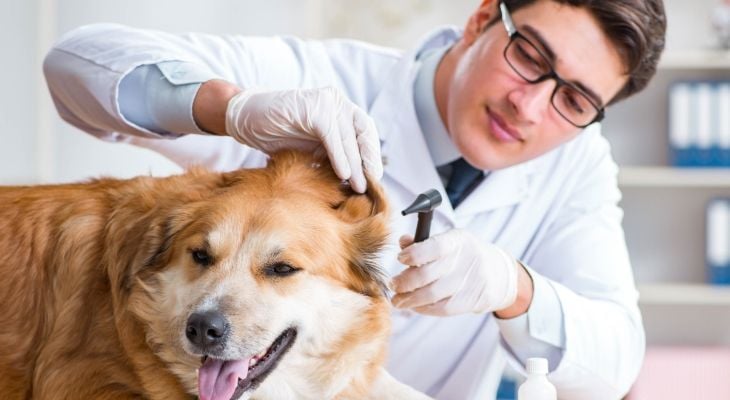
dog getting examined
Experts agree that widespread use of vaccines within the last century has prevented death and disease in millions of animals.

Pets, like people, can be protected from some diseases by vaccination. Although this resource provides basic information about vaccinations for your dog or cat, your veterinarian is your best source for advice regarding your pet's vaccination needs.

What are vaccines?

Vaccines are health products that trigger protective immune responses in pets and prepare them to fight future infections from disease-causing agents. Vaccines can lessen the severity of future diseases and certain vaccines can prevent infection altogether. Today, a variety of vaccines are available for use by veterinarians.

Is it important to vaccinate?

Yes! Pets should be vaccinated to protect them from many highly contagious and deadly diseases. Experts agree that widespread use of vaccines within the last century has prevented death and disease in millions of animals. Even though some formerly common diseases have now become uncommon, vaccination is still highly recommended because these serious disease agents continue to be present in the environment.

Does vaccination ensure protection?

For most pets, vaccination is effective and will prevent future disease. Occasionally, a vaccinated pet may not develop adequate immunity and, although rare, it is possible for these pets to become ill. It is important to remember that although breakdowns in protection do occur, most successfully vaccinated pets never show signs of disease, making vaccination an important part of your pet's preventive health care.

Are there risks?

Although most pets respond well to vaccines, like any medical procedure vaccination carries some risk. The most common adverse responses are mild and short-term, including fever, sluggishness, and reduced appetite. Pets may also experience temporary pain or subtle swelling at the site of vaccination. Although most adverse responses will resolve within a day or two, excessive pain, swelling, or listlessness should be discussed with your veterinarian.

Rarely, serious adverse responses occur. Contact your veterinarian immediately if your pet has repeated vomiting or diarrhea, whole body itching, difficulty breathing, collapse, or swelling of the face or legs. These signs may indicate an allergic reaction. In very rare instances death can occur. Visit with your veterinarian about the latest information on vaccine safety, including rare adverse responses that may develop weeks or months after vaccination. Remember that while vaccination is not without risk, failure to vaccinate leaves your pet vulnerable to fatal illnesses that are preventable.

Why do puppies and kittens require a series of vaccinations?

Very young puppies and kittens are highly susceptible to infectious diseases. This is especially true as the natural immunity provided in their mothers' milk gradually wears off. To keep gaps in protection as narrow as possible and to provide optimal protection against disease for the first few months of life, a series of vaccinations are scheduled, usually 3-4 weeks apart. For most puppies and kittens, the final vaccination in the series is administered when they are 12 to 16 weeks old.

Which vaccines should my pet receive?

Discuss with your veterinarian your pet's lifestyle, access to other animals, and travel to other geographic locations, since these factors affect your pet's risk of exposure to disease. Not all pets should be vaccinated with all vaccines just because these vaccines are available. "Core" vaccines are recommended for most pets in a particular area. "Non-core" vaccines are reserved for pets with unique needs. Your veterinarian will consider your pet's particulars, the diseases at hand, and the application of available vaccines to customize a vaccine recommendation for your pet.

How often should my pet be vaccinated?

Your veterinarian will tailor a vaccination schedule to suit your pet's needs. For many years, a set of annual vaccinations was considered normal and necessary for dogs and cats. Veterinarians have since learned more about diseases and pets' immune systems, and there is increasing evidence that immunity triggered by some vaccines provides protection beyond one year. The immunity triggered by other vaccines may fail to protect for a full year. More than one successful vaccination schedule is possible. Talk with your veterinarian about what is best for your pet.

A Final Thought

Many factors are taken into consideration when establishing a pet's vaccination plan. Your veterinarian will tailor a program of vaccinations to help your pet maintain a lifetime of infectious disease protection.

  • Pet Health
    • Chronic Conditions
    • Digestive and Oral Health
    • Diseases and Viruses
    • Pests and Parasites
    • Orthopedics
  • Today's Veterinarian
  • Choosing Your Pet
    • Finding Your Pet
    • Cats
    • Dogs
    • Exotics
      • Amphibians
      • Birds
      • Reptiles
        • Lizards
        • Turtles
    • Small Mammals
      • Ferrets
      • Rabbits
      • Domesticated Animals
        • Prairie Dogs
      • Pocket Pets
        • Chinchillas
        • Guinea Pigs
        • Hamsters
        • Hedgehogs
        • Rats
    • Livestock
      • Cows
      • Donkeys, Horses & Mules
      • Goats
      • Pigs
      • Poultry
      • Sheep
  • Living With Your Pet
    • Bringing Your Pet Home
    • Children and Pets
    • Providing Care
    • Travel
    • Saying Goodbye
  • Newsletter Library
    • Cats
    • Tips for Pet Owners
    • Behavior & Training
    • Fleas & Parasites
    • Keeping Pets Healthy
    • Recognizing Illness
    • Nutrition & Food
    • Pet Dangers
    • Seasonal Topics
    • Visiting the Vet
    • Equine
    • Newsletter Archive
      • Fun with Pets
      • Unbelievable Pets
  • Video Newsroom
    • Health Topics
    • Technology and Science
    • Other Interests
  • Newsletter Library
  • Client Survey
  • Pets4Kids

Yes. Cats do get heartworms. Mention WEBDEAL 2. One offer per household. This is a limited time offer so call today for details and an appointment.

Error!

    Our Services

    • Services

      We strive to provide complete care for our patients. Learn more about all the services we provide.
    • Make An Appointment

      We will do our best to accommodate your busy schedule. Schedule an appointment today!
    • Online Forms

      Our patient forms are available online so they can be completed in the convenience of your own home or office.

    Office Hours

    Monday:

    9:30am

    6:00pm

    Tuesday:

    9:30am

    6:00pm

    Wednesday:

    9:30am

    6:00pm

    Thursday:

    Closed

    Friday:

    9:30am

    5:00pm

    Saturday:

    9:30am

    2:00pm

    Sunday:

    Closed

    Closed

    Location

    Find us on the map

    Testimonials

    Read What Our Clients Say

    • "Wow! Thanks to all the staff at Anderson Vet Clinic. I feel like you all truly love what you do! My kitty, Lola and I always have such a pleasant experience when we come in. Fortunately, it’s usually just for a check-up, but I would not leave Lola in anyone else’s hands but yours. Thank you for your caring commitment!"
      Maya Smith / Los Angeles, CA
    • "I have benefited tremendously from the care my pet received from Dr. Anderson."
      John Doe / San Diego, CA
    • "Fabio wasn’t eating the food I was giving him and I didn’t feel he was getting the nutrition he needed. Thanks to Dr. Anderson, he evaluated Fabio and his current diet to make some recommendations and now Fabio has gone from barely eating to finishing his meals and he looks healthier than ever. You clearly are an expert in your field...thanks so much!"
      Tara Brown / Kansas City, MO

    Featured Articles

    Read about interesting topics

    • March Newsletter: How to Keep Your Cat Safe When Outdoors

      Wondering how your cat can safely spend time outdoors? ...

      Read More
    • March Newsletter: How to Choose Safe Blankets for Pets

      Do you know how to pick a safe blanket for your pet? ...

      Read More
    • February Newsletter: How to Reduce Dental Anxiety in Pets

      Does your pet hate toothbrushing? These tips could reduce dental anxiety. ...

      Read More
    • February Newsletter: How to Safely Change Your Cat’s Food

      Buying a new food for your cat? Find out how to switch foods safely. ...

      Read More
    • January Newsletter: Signs Your Pet Needs a Wellness Exam

      Does your pet need a wellness exam? ...

      Read More
    • January Newsletter: How Your Veterinarian Can Help If Your Pet Ingests Something Toxic

      Has your pet eaten something it shouldn't have? Find out how your vet can help. ...

      Read More
    • December Newsletter: Signs Your Pet Needs a Professional Cleaning

      Do you know when your pet needs a professional cleaning? ...

      Read More
    • December Newsletter: Simple Ways to Keep Your Home Flea-Free for Your Pet’s Well-being

      Never want to see another flea again? Try these tips for a flea-free home. ...

      Read More
    • November Newsletter: The Importance of Bloodwork for Your Pet’s Health

      Wondering if your pet really needs bloodwork? Find out the benefits of blood tests for your furry friend. ...

      Read More
    • November Newsletter: Turkey Day Tips for Pet Owners

      Don't forget about your pet when making Turkey Day preparations. ...

      Read More

    Newsletter Sign Up

    Error!

      Connect With Us

      • Copyright © 2026 MH Sub I, LLC dba iMatrix.
      • Admin Log In
      • Site Map